
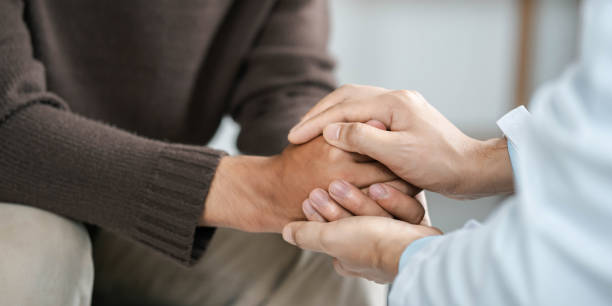
Every year, millions of people begin the difficult journey of recovery from addiction or mental health challenges – and research shows that one of the most powerful factors in their success isn’t a medication or a clinical program. It’s another person who has been there. At its core, a Peer Support Specialist (PSS) is someone who has walked a similar path and now uses that lived experience to guide others toward healing. They are not just professionals; they are proof that recovery is possible
What Is a Peer Support Specialist?
A Peer Support Specialist is a trained, certified professional who has personal experience with substance use disorder or mental health challenges and is now in sustained recovery. They work alongside counselors, case managers, and clinical teams to provide emotional support, guidance, and practical assistance to individuals at various stages of their recovery.
Unlike therapists or clinical counselors, a Peer Support Specialist brings something uniquely powerful to the table: an authentic, first-hand understanding. They’ve been there. They know the struggles, the setbacks, and the small victories. That shared experience creates a bond of trust that can be difficult to establish through traditional clinical relationships alone – and that trust is often what makes the difference.
What Do They Actually Do?
The day-to-day role of a Peer Support Specialist is as varied as the people they serve. Their responsibilities may include:
- Providing one-on-one emotional support and encouragement
- Helping clients set and work toward personal recovery goals
- Connecting individuals with community resources like housing and employment
- Assisting with navigating the healthcare and treatment systems
- Sharing their own recovery story to inspire hope and reduce stigma
- Supporting individuals during and after treatment transitions
Each of these tasks is rooted in something clinical professionals can rarely offer: the credibility of someone who has lived it.
Why Are Peer Support Specialists So Important?
The evidence is compelling. According to SAMHSA, peer support services are associated with decreased substance use, reduced psychiatric hospitalizations, and improved quality of life. When someone struggling with addiction or mental health challenges connects with a Peer Support Specialist who has successfully navigated the same obstacles, it fosters hope – one of the most powerful catalysts for change. Peer specialists help bridge the gap between clinical treatment and real-world, day-to-day life.
They also help reduce the shame and isolation that so often accompany addiction and mental health struggles. Simply knowing someone who has been through it and come out the other side can make an enormous difference in whether someone stays committed to their recovery.
Experience and Certification Requirements
Becoming a certified Peer Support Specialist or Certified Recovery Mentor (CRM) requires more than lived experience – it requires demonstrated, sustained recovery. Across the Pacific Northwest, candidates typically must have a minimum of two years of documented clean time from substance use or mental health challenges. This ensures that those entering the field have the stability and insight necessary to effectively support others.
Certification requirements vary by state, but each has established credentialing bodies to ensure peer specialists are equipped with the knowledge, ethics, and skills to serve their communities well:
- Oregon – The Peer Support Specialist credential is certified through the Oregon Health Authority (OHA), while the Certified Recovery Mentor (CRM) designation is granted through the Mental Health & Addiction Certification Board of Oregon (MHACBO).
- Washington – Peer Support Specialists are certified through the Washington State Department of Health (DOH), which requires completion of an approved training program and a criminal background check.
- Idaho – Certification is overseen by the Idaho Behavioral Health Council (IBHC), with requirements including lived experience, a background check, and completion of state-approved training.
While the specific requirements differ slightly from state to state, the shared goal is the same: ensuring that peer specialists bring both personal integrity and professional preparation to the people they serve.
Specializations: Mental Health and Family Support
One of the most exciting aspects of becoming a Peer Support Specialist is the ability to specialize in areas that align closely with your personal experience and passion. Two of the most impactful specializations are Mental Health Peer Support and Family Peer Support.
Mental Health Peer Support Specialists focus specifically on individuals living with mental health conditions such as depression, anxiety, bipolar disorder, PTSD, and schizophrenia. Drawing from their own mental health journey, these specialists provide a unique level of empathy and understanding that helps clients feel seen and less alone. They assist individuals in developing coping strategies, navigating mental health systems, building self-advocacy skills, and maintaining stability in their day-to-day lives. This specialization is particularly valuable as the demand for mental health support continues to grow across all communities.
Family Peer Support Specialists take a different but equally important role – they support the families and loved ones of individuals navigating addiction or mental health challenges. These specialists have their own lived experience as family members or caregivers, giving them firsthand insight into the fear, frustration, grief, and hope that families often experience. They help families understand their loved one’s condition, set healthy boundaries, access community resources, and practice self-care while remaining a source of support. Strong family involvement is widely recognized as a key factor in long-term recovery outcomes, making this specialization critically important.
Both specializations may require additional training and endorsements beyond the core PSS certification, depending on the state. However, they open the door to more focused, meaningful work and can significantly expand your impact as a peer specialist.
How Do You Get Trained and Certified?
If you’re ready to turn your recovery journey into a career helping others, training programs make it accessible. Programs like the MHACBO-approved PSS/CRM Certification Training offered by Life Renewal Behavioral Health Services are designed for people ready to make a difference in Oregon. The comprehensive 40-hour program includes 32 hours of live virtual instruction and 8 hours of online training modules, offering flexibility and convenience for a variety of schedules.
To learn more and register for an upcoming session, visit www.liferenewal.us/pss-crm-certification-training
A Career Built on Hope
Peer Support Specialists are among the most vital voices in the recovery movement. They remind us that people are not defined by their struggles – and that healing is not only possible, but something worth helping others find. If you’re in recovery and feel called to give back, becoming a certified Peer Support Specialist may be one of the most meaningful paths you can take. Your story could be exactly what someone else needs to hear – and that’s where it all begins.